8/1/2025
Software Quality
Why Great Engineering Starts With Great UX
If you asked me early in my career what “good engineering” meant, I would have said something like:
“Clean code, reusable abstractions, elegant architecture.”
Basically, the kind of answer that makes a senior engineer nod and quietly wish for a coffee.
But over time after building complex interfaces, collaborating with designers, shipping features to real humans, and watching those humans absolutely destroy the UI in ways I never anticipated I’ve learned something important:
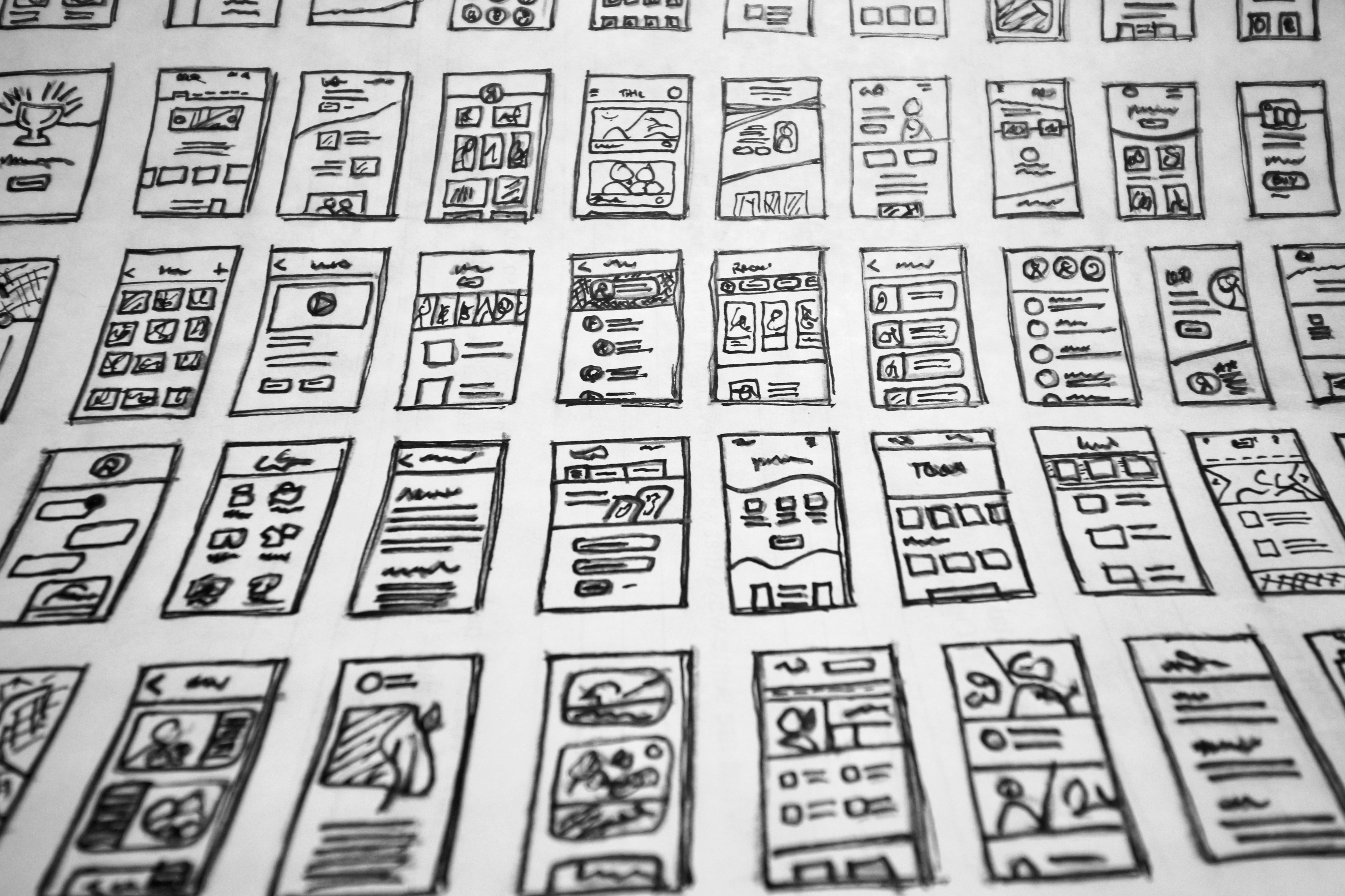
Great engineering starts with great UX.
Not at the end of a sprint, not as a “bonus”, not when we have “extra time” (lol)… but at the very beginning.
Let me explain.
1. A feature isn’t done until it feels done
Engineers love finishing things.
We love that moment where the code compiles, everything is green, and the API response is exactly right.
But users don’t see any of that.
They see:
- a button that wiggles when hovered (…why?)
- a form that forgets what they typed
- a table that jumps 3 pixels when filtering
- a viewer that zooms too fast, then too slow, then sideways (???)
I’ve worked on projects where the logic was perfect but the UX made the whole feature feel… off.
Like wearing a perfectly tailored suit with the scratchiest tag in the back.
The small things matter.
The invisible things matter.
And users can feel them even if they can't explain them.
2. Great UX reduces complexity — for everyone
This is my favourite thing about good UX:
it simplifies the system not only for users, but for the team.
When UX is clean, intentional, and predictable:
- QA finds fewer “mysterious edge cases”
- the team debates less about “expected behaviour”
- designers stop sending apologetic Slack messages at 10pm
- engineers stop duct-taping “tiny fixes” everywhere
I’ve built some extremely complex features such as things with auto-positioning, dynamic segmentation, drag-and-drop, image viewers, nested tables…
But the best compliment I’ve ever gotten wasn’t “wow, impressive logic.”
It was:
“Oh — it just works.”
That’s the real magic of good UX.
3. UX is communication between you and the user
I used to think documentation was how we told users what our system does.
Now I realise:
the UI is the documentation.
How something behaves is how it communicates:
- Clear feedback says “you’re safe.”
- Predictability says “you’re in control.”
- Smooth transitions say “I know what you’re trying to do.”
- Good empty states say “hey, let me show you around.”
Users never say “great API contract!”
They say “this feels nice.”
And honestly? I want my work to feel nice.
4. The best engineers I know care deeply about UX
Not because they’re designers.
Not because they’re “frontend people.”
But because they understand a simple truth:
Engineering exists to solve human problems.
UX is how humans experience our solutions.
You can write the most elegant code in TypeScript history, but if the interface feels confusing or overwhelming, the solution hasn’t actually solved anything.
The best engineers ask questions like:
- “What’s the simplest version of this?”
- “What would a tired user expect here?”
- "Is this helpful, or am I just being clever?"
- “Does this flow make sense on mobile?”
They think about humans, not just functions.
5. Great UX also makes engineering more joyful
Here’s the secret benefit.
When you invest in UX:
- architecture becomes more coherent
- components become more reusable
- performance bottlenecks become clearer
- naming becomes easier (yes, really)
- debugging turns into detective work, not chaos
The codebase feels calmer.
The team feels calmer.
You feel calmer.
Good UX isn’t just for users , it’s for engineers too.
Final thoughts
I used to think UX was a cosmetic layer we added at the end.
Now I see it as the foundation.
Because when the user experience is clear, thoughtful, and intentional, everything underneath becomes clearer and more intentional too the architecture, the patterns, the naming, the decisions, the collaboration.
And honestly?
That’s the kind of engineering I want to keep doing.
Calm.
Considered.
Human.
UX-first engineering isn’t just better for users.
It’s better for us.